




Shop by Categories
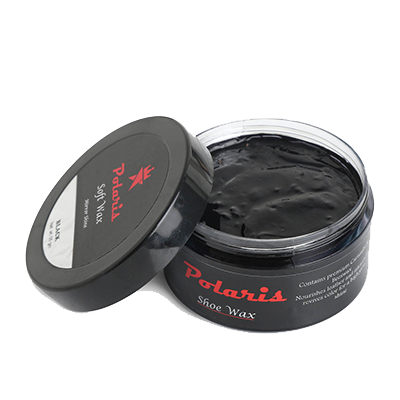


TOP SALE ON THIS WEEK
Featured Products
-
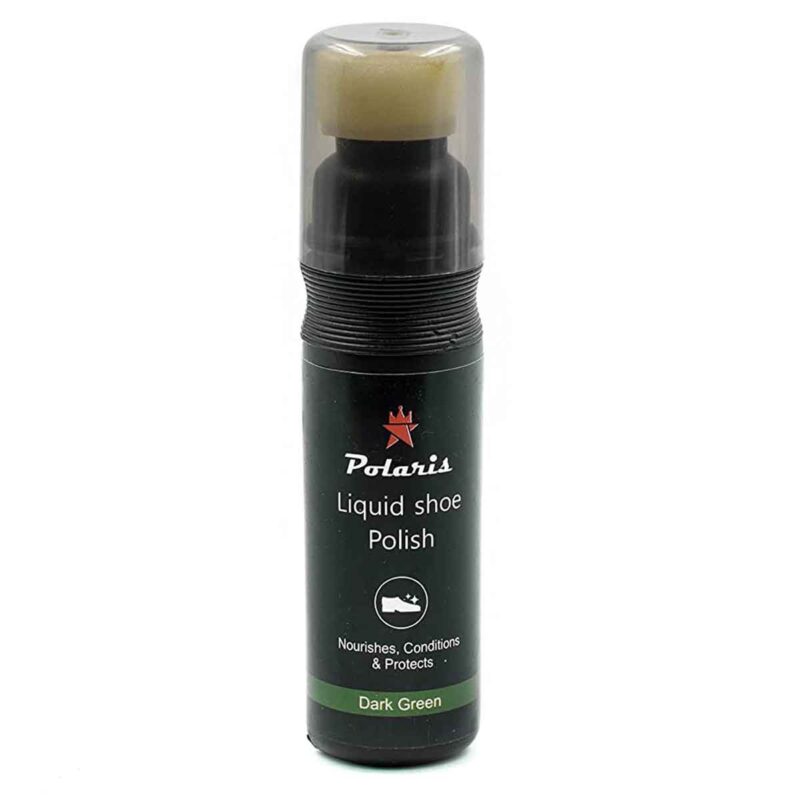 Product on saleDark Green Liquid Shoe Polish For Brightening Leather Boots (75ml)Original price was: ₹499.00.₹325.00Current price is: ₹325.00.
 -
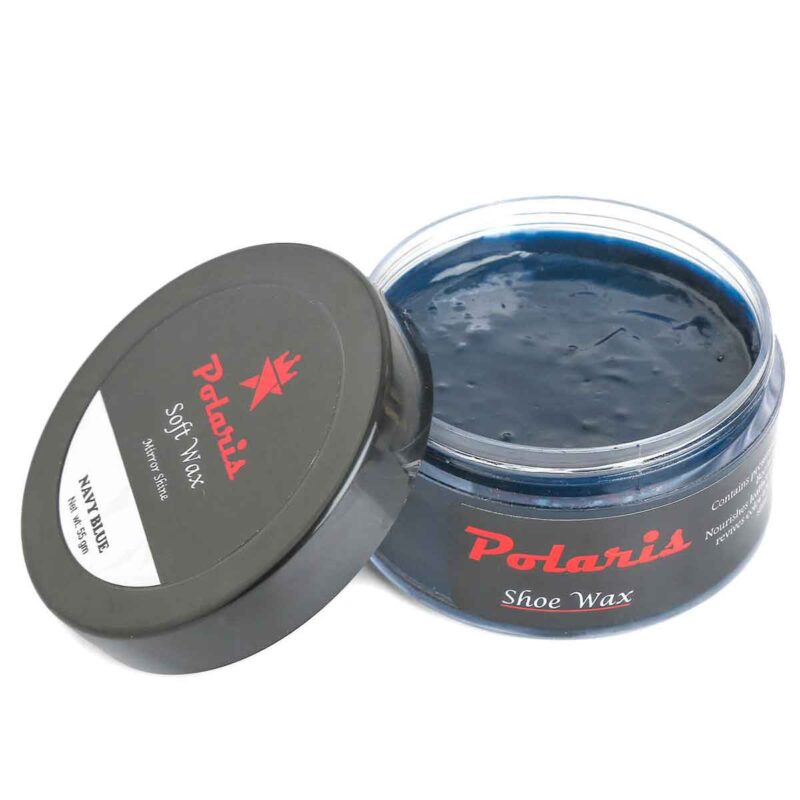 Product on saleBest Navy Blue Shoe Polish 100% Super ShineOriginal price was: ₹499.00.₹325.00Current price is: ₹325.00.
 -
 Product on salePremium Shoe Protector & Shoe Stain Repellent Spray (100ml)Original price was: ₹999.00.₹599.00Current price is: ₹599.00.
 -
 Product on saleHigh Gloss Neutral Shoe Cream (60gm)Original price was: ₹499.00.₹299.00Current price is: ₹299.00.
Shoe and Leather Care products
Recommended for you.
-
Product on salePremium Shoe Protector & Shoe Stain Repellent Spray (100ml)Original price was: ₹999.00.₹599.00Current price is: ₹599.00.
-
 Product on saleShoe Shampoo & Sneakers CleanerOriginal price was: ₹299.00.₹200.00Current price is: ₹200.00.
 -

 Product on saleInstant Shoe Shiner for Brighting Shoe Anytime AnywhereOriginal price was: ₹149.00.₹99.00Current price is: ₹99.00.
 -
 Product on salePure Amla Oil (Gooseberry Oil) The Ancient Indian Secret to Beautiful Hair – 100% Authentic productPrice range: ₹499.00 through ₹689.00
 -
 Product on saleFragWow Natural, cold pressed, 100% Pure Jojoba OilPrice range: ₹299.00 through ₹349.00
 -
 Product on sale100% Pure Castor Oil for eyelashes, hair, skin, constipationPrice range: ₹199.00 through ₹249.00
TESTIMONIALS
What Our Clients Say
4.8
Average Customer Rating
Latest Blog Post
No posts
Get Latest offers & discount coupons in your inbox
*By signing up you are agree to our terms of use and privacy policy

Free Shipping

Easy Exchange & Returns

24×7 Email support

Cash On Delivery
Examples do more than decorate an explanation: they show how an abstract principle works under real conditions and reveal details that a definition may leave out. In teaching, a well-chosen case can connect unfamiliar ideas to prior knowledge, while a poor case may distract from the central rule or encourage an overly narrow conclusion. A clear test case demonstrates the difference between a general pattern and the exceptions that require judgment, making the lesson more useful than a list of claims alone. Good examples should therefore be specific enough to examine, varied enough to prevent rote imitation, and brief enough to keep attention on the underlying concept. Editors and educators often place the example immediately beside the explanation, because that structure lets readers compare principle and application without searching through disconnected material. When the subject is complex, several carefully contrasted cases can also expose assumptions, clarify boundaries, and support more accurate decisions.